We’ve all come home from a conference with a tote bag full of branded pens, notebooks, and water bottles. These items, what we call promotional products, are a huge part of marketing. But here’s the question we help our clients answer every day: are they actually a good investment?
It’s easy to spend money on swag. It’s much harder to know if it’s working. Let’s walk through how to figure that out, using the same simple process we’ve used for years.
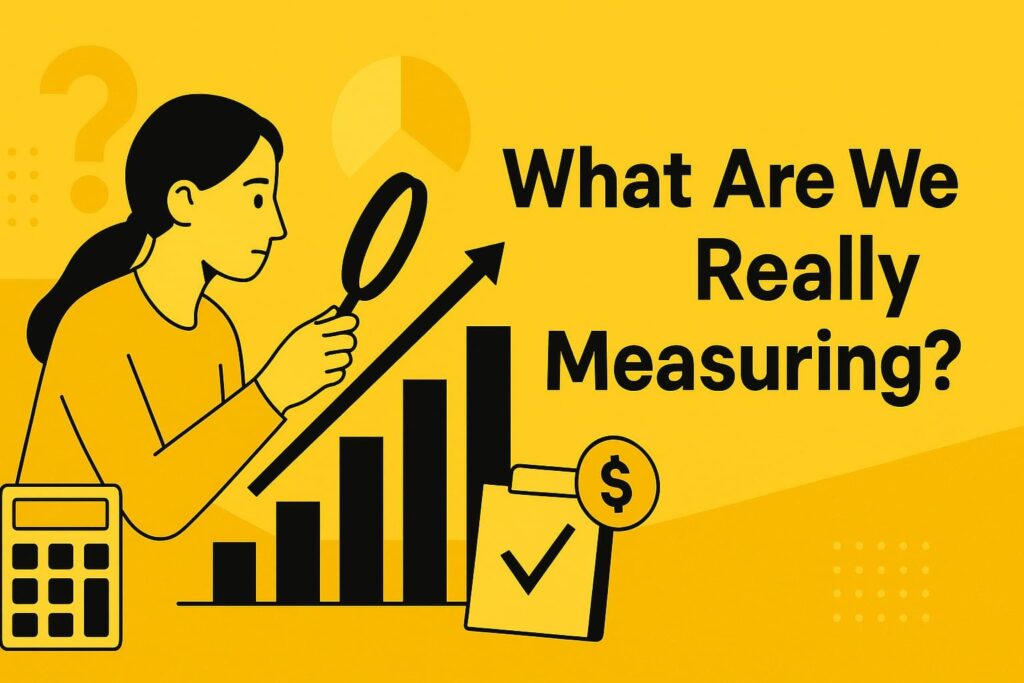
First, What Are We Really Measuring?
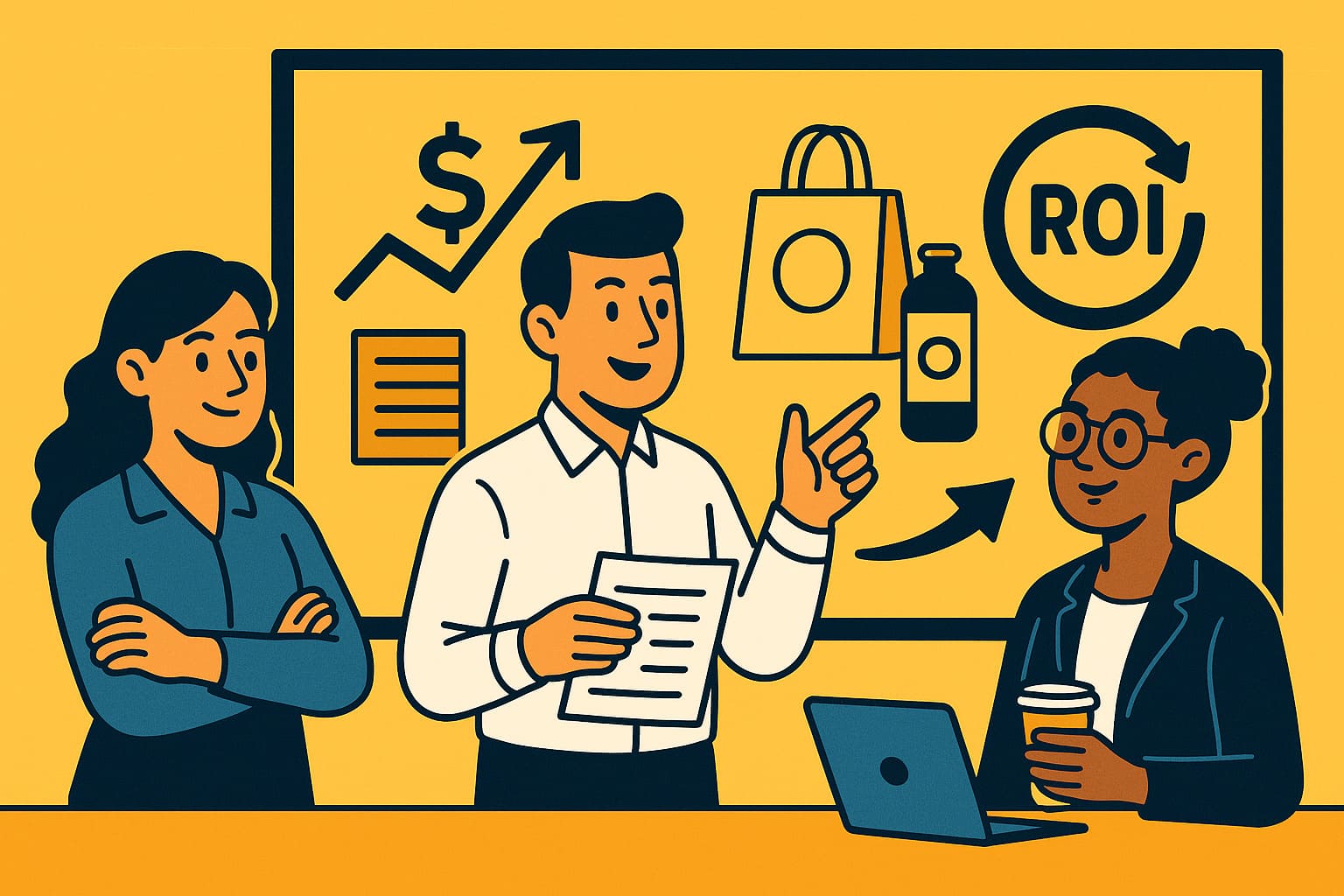
Return on Investment, or ROI, just means figuring out if you made more money than you spent. A positive ROI means you’re profitable. Simple as that.
Calculating this for promotional products can feel tricky. Some returns are easy to see, like a direct increase in sales. Others are less direct, like brand awareness—the long-term value that comes from someone seeing your logo over and over. We’ve learned that the most successful campaigns find a way to think about both.
The real reason this matters is that it forces you to be honest about your goals. Are you trying to get a handful of immediate leads, or are you trying to build the kind of brand loyalty that lasts for years? Knowing the answer to that question is half the battle.
The Basic Steps to Calculate Your ROI
This doesn’t need to be complicated. Let’s break it down.
1. Tally Up the Real Costs
To get an accurate number, you have to account for every single expense. It’s almost never just the price of the items themselves.
- Product Costs: This is the price per item, plus any fees for setup or putting your logo on it.
- Shipping and Distribution: What did it cost to get the products to your event or into your customers’ hands? If you had to store them for a few months, that’s a cost too.
- Your Team’s Time: This is the one everyone forgets. The hours your team spent researching, ordering, and handing out these products are a real cost to the business. We’ve seen this single oversight completely change the final ROI calculation.
2. Track Your Financial Return
Next, we need to connect the campaign to actual money coming in. There are a few smart ways to do this.
- Direct Sales with a Hook: Offer a special discount code that’s only available to people who received the item. This is the cleanest way to track sales directly from the campaign.
- Lead Generation with Tracking: Put a unique QR code or a special landing page URL (like
yourwebsite.com/promo) on the product. This lets you see exactly how many people took action because of that item. - Customer Lifetime Value (LTV): If your campaign brings in a new, loyal customer, their value isn’t just the first purchase. Their long-term value over several years is the real return, and it should be part of your calculation.
3. Use the Simple ROI Formula
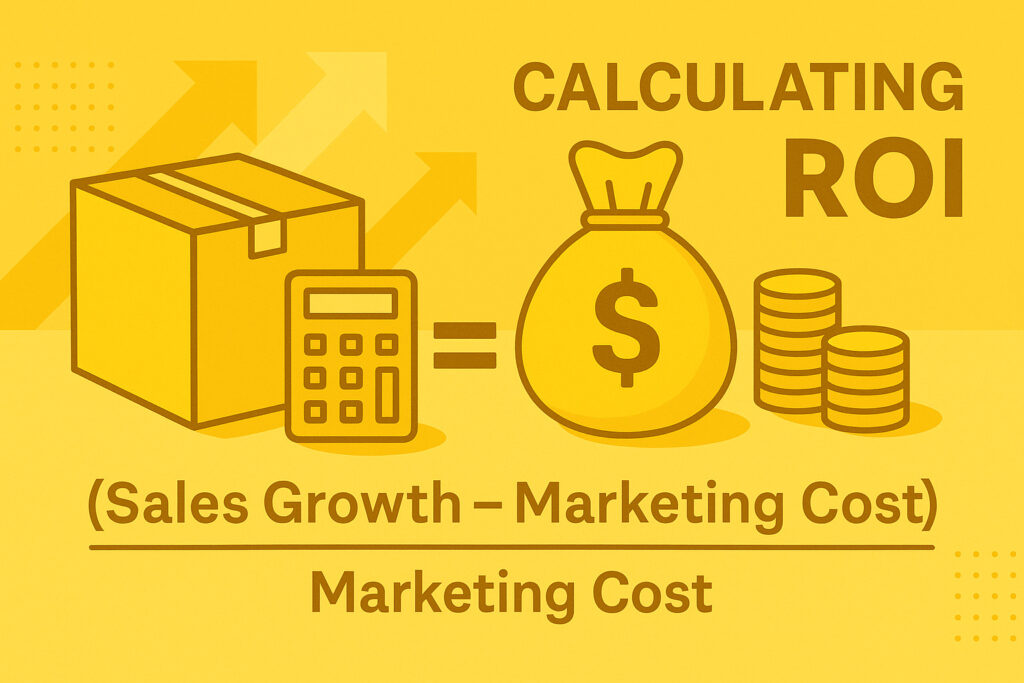
The basic formula is straightforward:
(Sales Growth - Total Marketing Cost) / Total Marketing Cost = ROI
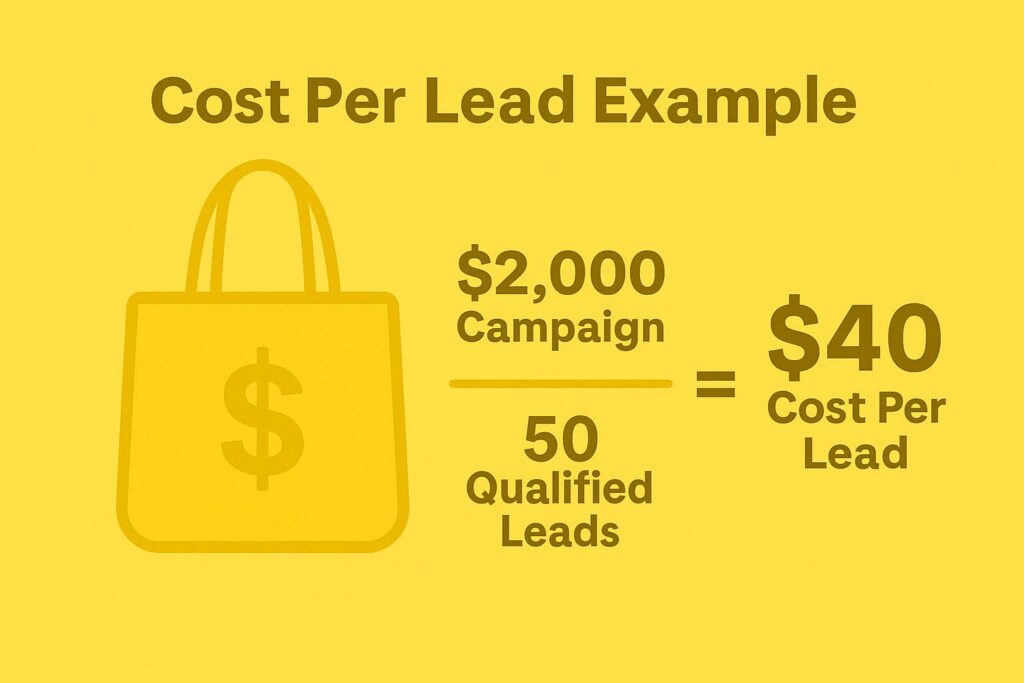
Let’s use a real-world example. Say you spend $2,000 on high-quality tote bags for a trade show. By tracking a special offer code, you find those bags led to $5,000 in new sales.
- ($5,000 – $2,000) / $2,000 = 1.5
Multiply by 100 to get a percentage, and your ROI is 150%. This means for every dollar you invested, you got that dollar back plus an extra $1.50 in profit.
A Quick Tip from Our Team: Another simple metric we love is Cost Per Lead. If that same $2,000 campaign brought you 50 qualified leads, your cost per lead is $40. Now you can ask a powerful question: “Is a $40 lead from a tote bag more or less valuable than a $60 lead from our online ads?” This is how you start making smarter budget decisions.
Best Practices for Getting a Better Return
Over the years, we’ve identified a few key practices at Promosbuilders.com that consistently lead to a much higher ROI.
Start with a Clear Goal
Before you look at a single product, decide what a “win” looks like. Is it driving more people to your booth? Is it getting qualified leads for your sales team? Or is it just making a memorable impression on a new audience? Your goal will determine everything else.
Choose Products People Actually Want
The most effective promotional items are genuinely useful and feel right for your audience. A nice leather-bound notebook might be perfect for executives, while a durable, insulated water bottle is a much better fit for a younger, active crowd.
Here’s an expert-level detail: The best ROI doesn’t come from just putting your logo on something. It comes from choosing a product that becomes a part of someone’s life. We’ve found that utility and quality are far more important than just being trendy. For more ideas on what’s working now, you can see our take on the 2025 promotional product trends.
Make Tracking Easy
As we’ve discussed, you have to be able to track results. Use unique URLs, QR codes, or promo codes to connect your physical products to digital actions. This gives you the hard data you need to prove your campaign worked. We share more tips on this in our blogs.
Test and Improve
Don’t be afraid to experiment. Try different products or different offers on a small scale to see what resonates before you invest in a huge run. This process of testing and learning is how you refine your strategy over time. If you need help finding the right partners for these efforts, our guide on how to select the right supplier is a great place to start.
Frequently Asked Questions

What’s a good ROI for promotional products?
There’s no single magic number. It really depends on your industry and profit margins. A common benchmark people aim for is 5:1 ($5 in revenue for every $1 spent), but what’s more important is establishing your own baseline and working to improve it with every campaign.
How long should we track ROI after a campaign ends?
The life of a good promotional product is long. We recommend tracking the immediate results (like leads from an event) in the first month. But for the full picture, you should monitor longer-term metrics like customer retention and repeat purchases over at least a year.
Can we really measure the ROI of a brand awareness campaign?
Yes, you just have to measure different things. For brand awareness, you’ll track metrics like website traffic, social media mentions, and follower growth during your campaign. While you won’t get a direct dollar-for-dollar ROI, you can clearly demonstrate the value of the increased visibility.
Should we include our team’s time in the cost?
Yes, absolutely. For a truly accurate ROI, you have to. The hours your team spends planning and executing the campaign are a real investment and should be part of the “Marketing Cost” in your formula.
If you have more questions, feel free to contact us or visit our main FAQs page.