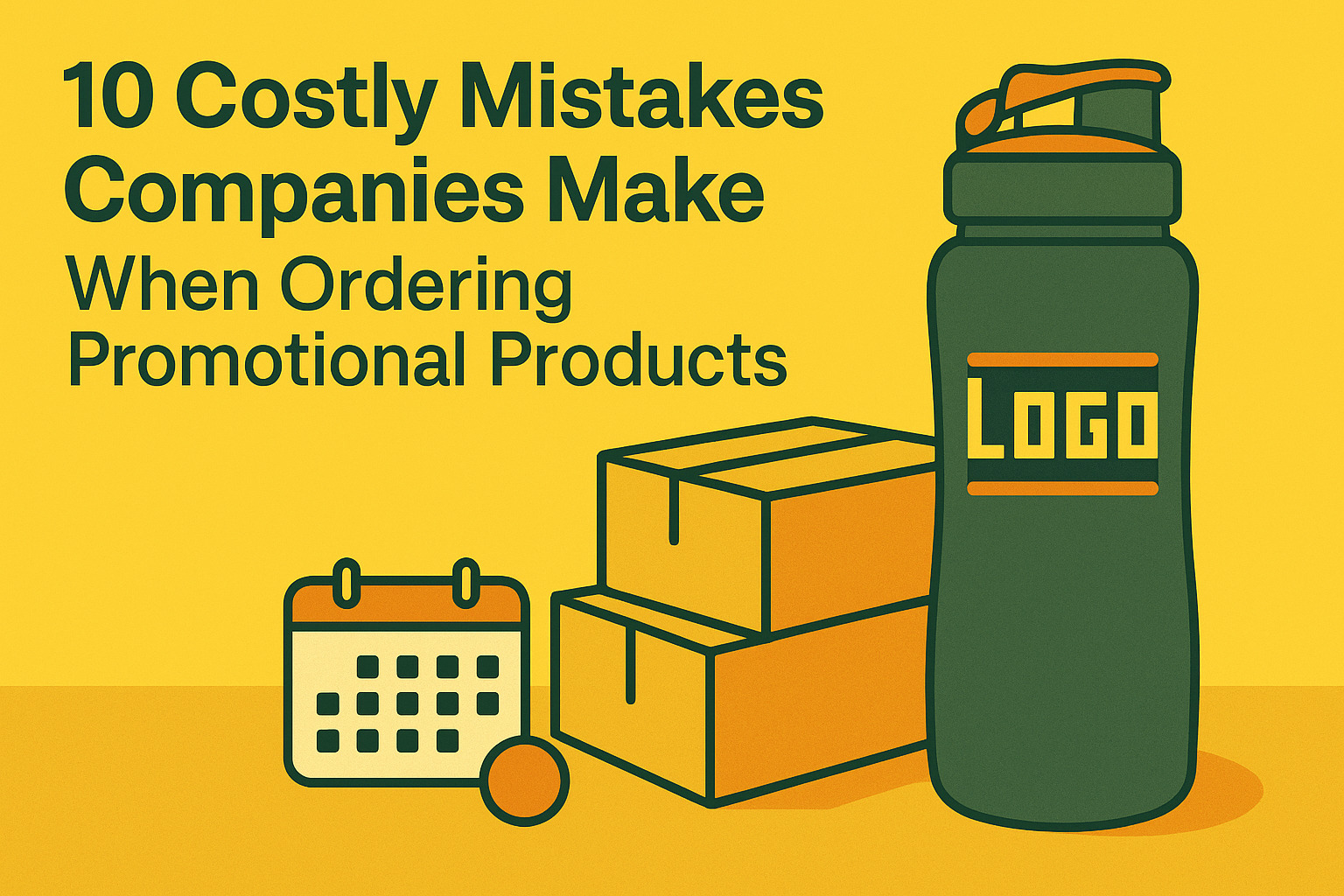
That moment when 500 branded water bottles arrive and they’re completely wrong. Wrong color, wrong logo placement, wrong everything. Your event’s in three days and you’re stuck with unusable swag.
We’ve seen this story hundreds of times. Companies spend thousands on promotional products only to end up with expensive paperweights.
After working with businesses for over a decade, we know exactly where things go wrong.
Here’s the 10 biggest promotional product mistakes we see – and how to avoid ’em.
Mistake #1: Ordering Without Samples
This is the big one.
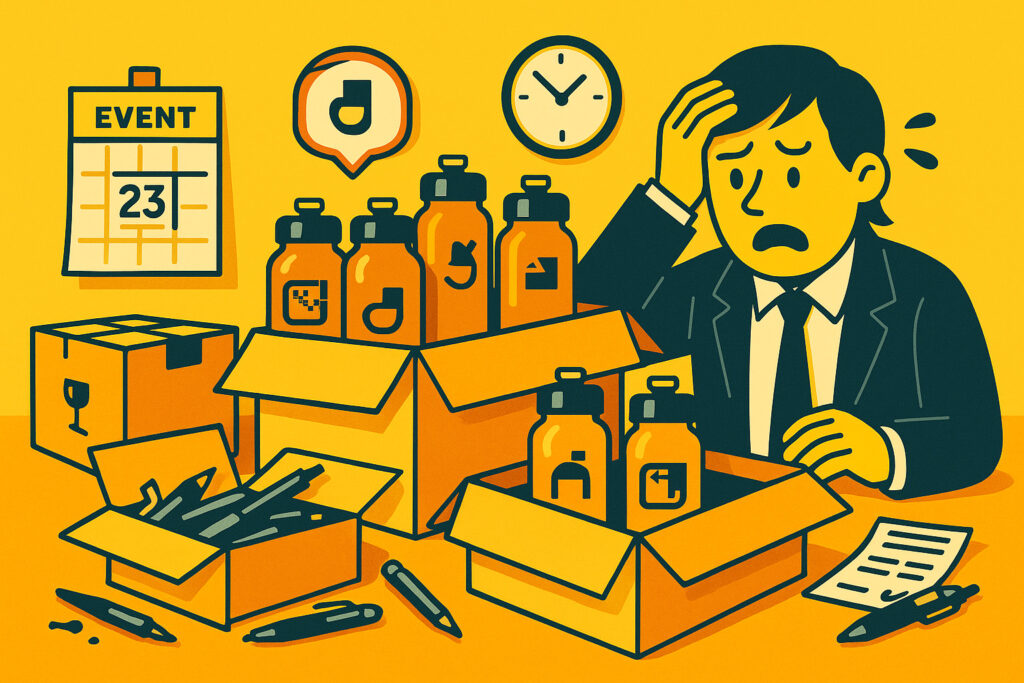
Companies order 1,000 units based on a digital mockup, then act surprised when the actual product looks nothing like the picture.
We learned this lesson early when a client ordered custom drinkware for their annual conference. The mockup looked perfect. The actual tumblers? Logo was pixelated, colors were off, they felt cheap. Cost them $3,200 and their reputation with 200+ attendees.
Quick tip from our team: Always order samples first.
Yeah, you’ll pay $15-50 for a sample, but that’s nothing compared to scrapping a $5,000 order. Feel the material quality, check the print clarity, test any moving parts.
The sample process takes 3-5 business days. You gotta factor this into your timeline. Rush order swag never works out well.
How to Handle Samples Right
Request samples of your exact specs – same material, same printing method, same colors. Generic samples don’t tell you much.
Test everything. Does the zipper feel smooth? Is the fabric comfortable? Can you actually read the logo from three feet away? If it’s a tech item, plug it in and use it.
One client saved $8,000 by finding out through samples that their chosen power banks didn’t actually hold a charge for more than an hour.
Mistake #2: Waiting Till the Last Minute
Three weeks before your trade show, someone remembers “oh crap, we need giveaways.”
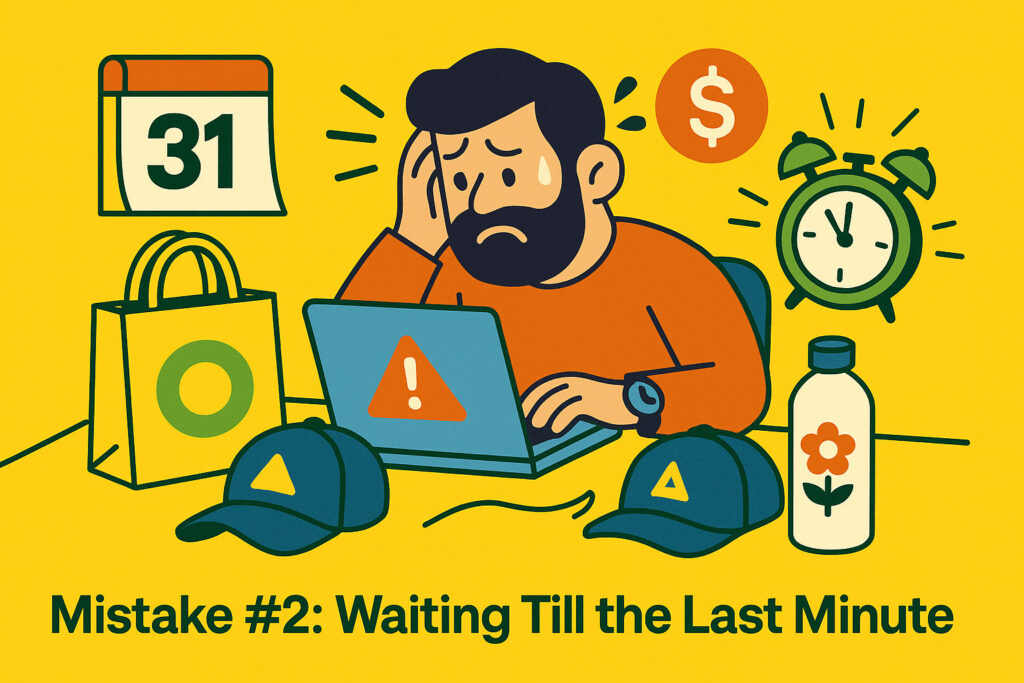
Panic sets in. You end up paying rush fees, settling for whatever’s in stock, crossing your fingers on quality.
Rush orders cost 50-100% more and give you zero flexibility. Suppliers push your order through faster production lines with less quality control. Higher costs, lower quality, stressed-out teams.
Here’s what we’ve learned: Start planning promotional products 8-12 weeks before you need ’em.
Sounds excessive? Here’s the breakdown:
- Week 1-2: Research, get quotes
- Week 3-4: Order samples, review options
- Week 5-6: Place final order
- Week 7-10: Production time
- Week 11-12: Buffer for shipping/issues
This timeline gives you room to fix problems without panicking.
The True Cost of Rush Orders
We tracked rush order costs for clients last year. Average rush fee: 75% of original order cost. One client paid $12,000 for what should’ve been a $7,000 order.
Worse than money? Quality suffers. Rush orders get less attention, fewer quality checks, cheaper materials. Your brand takes the hit.
Mistake #3: Choosing the Wrong Supplier
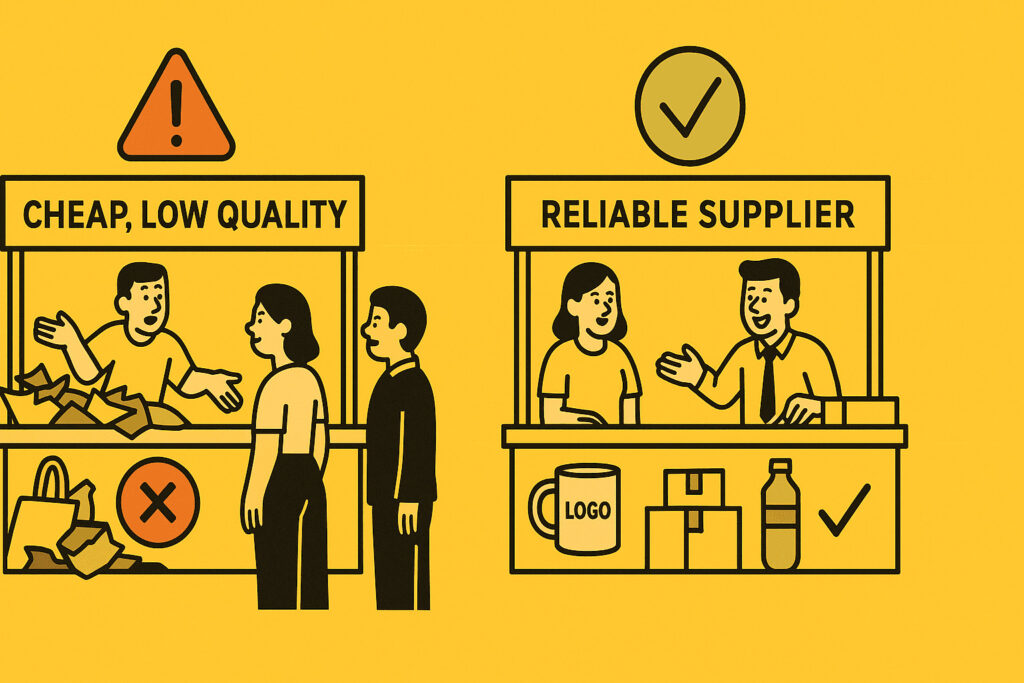
Not all promotional product suppliers are equal.
Some specialize in high-volume, low-cost items. Others focus on premium quality. Picking the wrong one for your needs causes headaches.
We’ve seen companies choose suppliers based purely on price, then get burned on delivery times, quality control, or customer service. Cheap isn’t always cost-effective.
Pro tip: Ask potential suppliers these questions:
- How d’you handle quality issues?
- What’s your average production time?
- Can you show references from similar projects?
- Do you have inventory in the US?
Check out our complete supplier selection guide for detailed vetting criteria.
Red Flags to Watch For
Suppliers who won’t provide samples, can’t give clear timelines, or ask for full payment upfront.
Also avoid suppliers who promise unrealistic delivery times – quality work takes time.
One major red flag: suppliers who can’t explain their quality control process. Good suppliers inspect products at multiple stages.
Mistake #4: Ignoring Print Quality and Placement
Your logo placement can make or break the entire order.
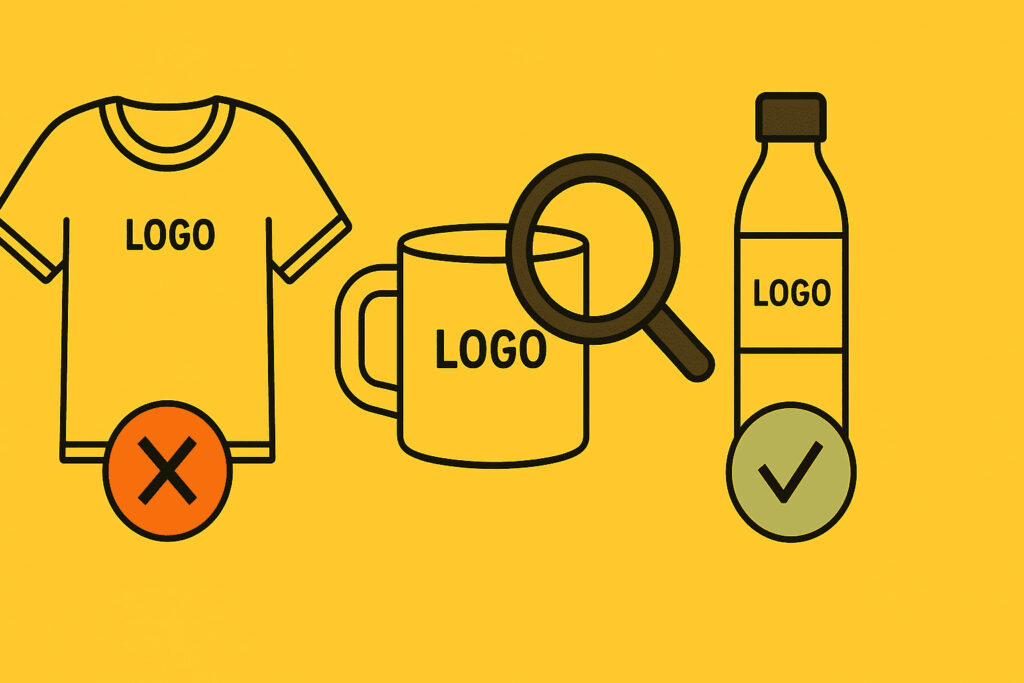
Too small and nobody sees it. Too large and it looks tacky. Wrong placement and it wears off in weeks.
We’ve learned that different materials need different approaches. What works on cotton won’t work on stainless steel. Printing methods matter huge.
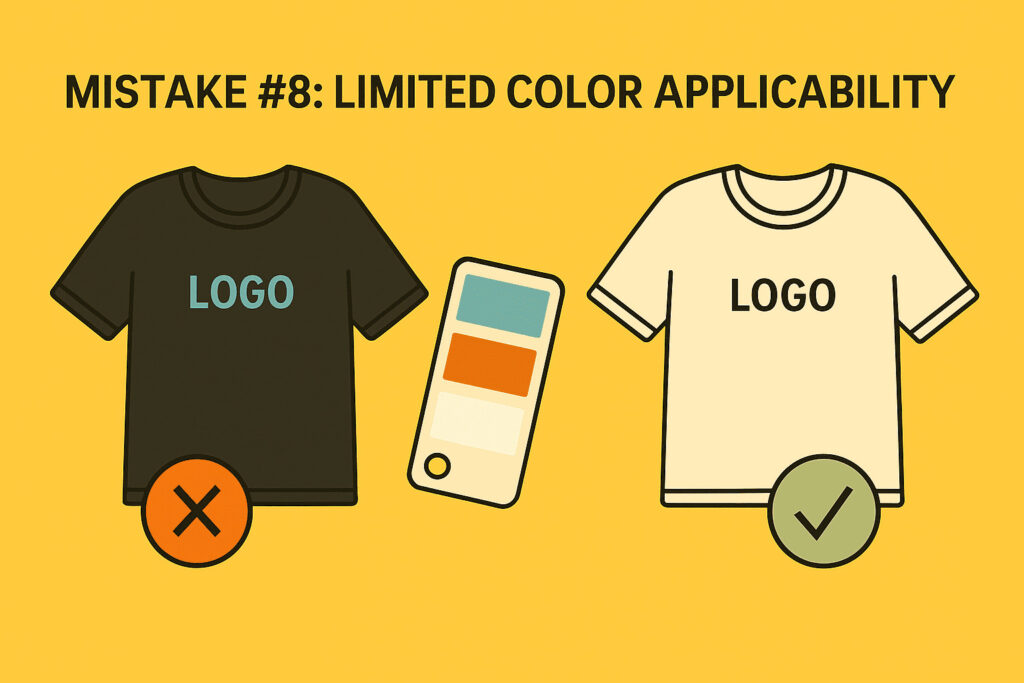
Quick example: Client wanted their logo on black t-shirts. They chose screen printing with dark blue ink. Result? Logo was barely visible. Should’ve used white ink or a different printing method.
Print Placement Best Practices
For apparel: chest placement (left or center) works for most situations. Avoid pocket areas if the shirt doesn’t have pockets.
For drinkware: consider how people hold the item. Logo should be visible when it’s in use.
For tech accessories: find spots that won’t wear off from daily handling.
Expert detail: We always request a “print proof” – a digital mock-up showing exact logo placement, size, and colors before production starts. Saves tons of headaches.
Mistake #5: Overlooking Practical Usability
Beautiful products that nobody uses are expensive decorations.
We see this constantly – companies pick items based on looks instead of function.
Perfect example: gorgeous branded notebooks with paper so thin that pens bleed through. Or wireless chargers that work with some phones but not others. Or tote bags with handles that break after one use.
Reality check: Your promotional products compete with everything else for space in someone’s office or home. If they’re not useful, they get tossed.
Function Over Form (But You Can Have Both)
Ask yourself: Does this solve a real problem? Will people actually use it? How often?
Items that get daily use generate hundreds of brand impressions. Items that sit in drawers generate zero.
Test usability yourself. If you wouldn’t use it, don’t order it for others.
Mistake #6: Budget Planning Gone Wrong
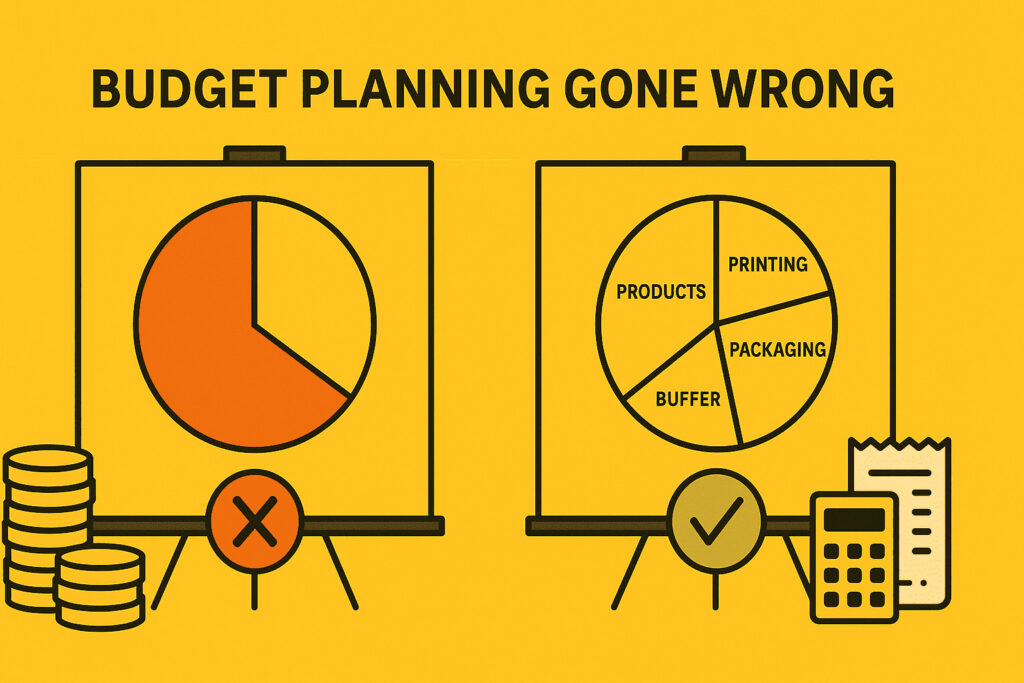
Most companies either severely under-budget or waste money on unnecessary extras.
We’ve seen $50,000 orders that could’ve been just as effective for $15,000.
The biggest budget mistake? Focusing only on unit cost instead of total value. A $3 item nobody uses has infinite cost per impression. A $12 item used daily for months costs pennies per impression.
Budget breakdown we recommend:
- 60% on the actual products
- 20% on quality printing/customization
- 15% on packaging/presentation
- 5% buffer for issues
Getting Real Value from Your Budget
Don’t cut corners on items people interact with daily. Cheap pens that don’t write, flimsy phone stands that fall over, thin t-shirts that shrink – these reflect poorly on your brand.
But you can save on items like simple notebooks, basic tote bags, or stickers where quality differences are minimal.
Mistake #7: Size and Fit Issues
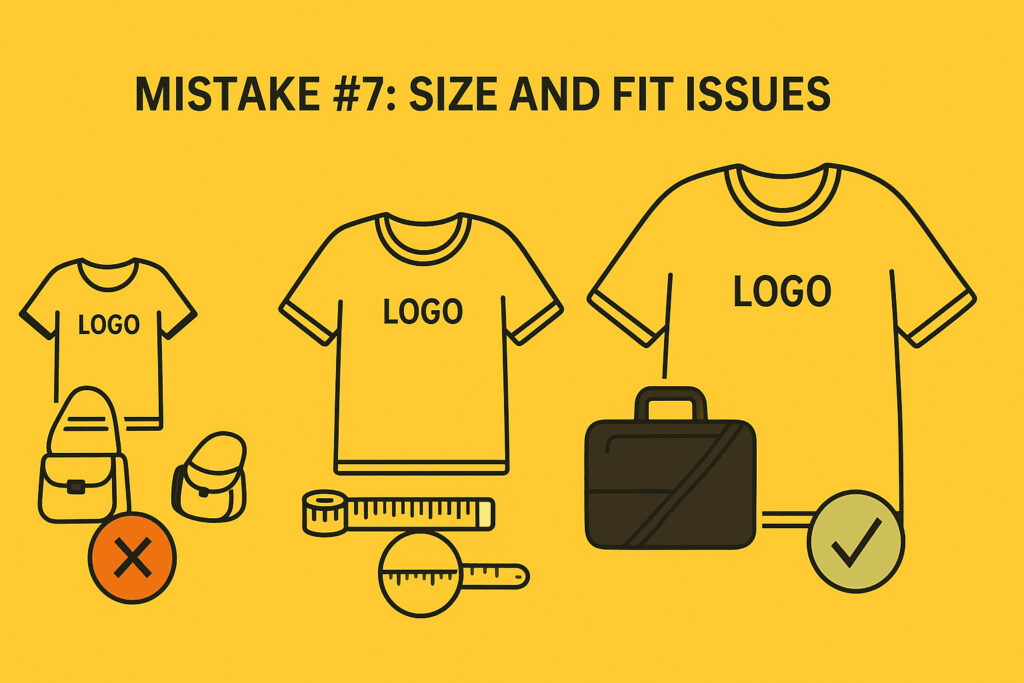
Size problems kill promotional product campaigns.
T-shirts that only come in large and extra-large. Bags too small to be useful. Tech accessories that don’t fit modern devices.
Size planning reality: Order a range that actually matches your audience. For apparel, we typically recommend:
- 10% Small
- 30% Medium
- 40% Large
- 20% Extra-Large
But this changes based on your audience. Tech conference? More mediums and larges. Construction industry? More larges and extra-larges.
Avoiding Size Disasters
Survey your audience if possible. “What size t-shirt do you typically wear?” gets better results than guessing.
For bags and accessories, consider what people actually carry. Laptop bags need to fit 15″ screens. Water bottles should fit car cup holders.
Mistake #8: Poor Quality Control and Inspection
Quality issues destroy promotional product campaigns.
Crooked logos, wrong colors, broken items, missing pieces – we’ve seen it all.
The problem? Many companies don’t inspect shipments until it’s too late. You get 500 items three days before your event and discover 100 are defective.
Inspection process we use:
- Check 10% of items immediately upon delivery
- Look for print quality, color accuracy, functionality
- Test any moving parts or tech features
- Verify quantities match your order
What to Do When Things Go Wrong
Good suppliers fix problems quickly. Have a backup plan for critical orders – second choice products you can get fast, or different distribution strategy if needed.
Document quality issues with photos. Most suppliers’ll remake defective items, but you need proof.
Mistake #9: Ignoring Brand Guidelines and Consistency
Your promotional products should match your overall brand standards.
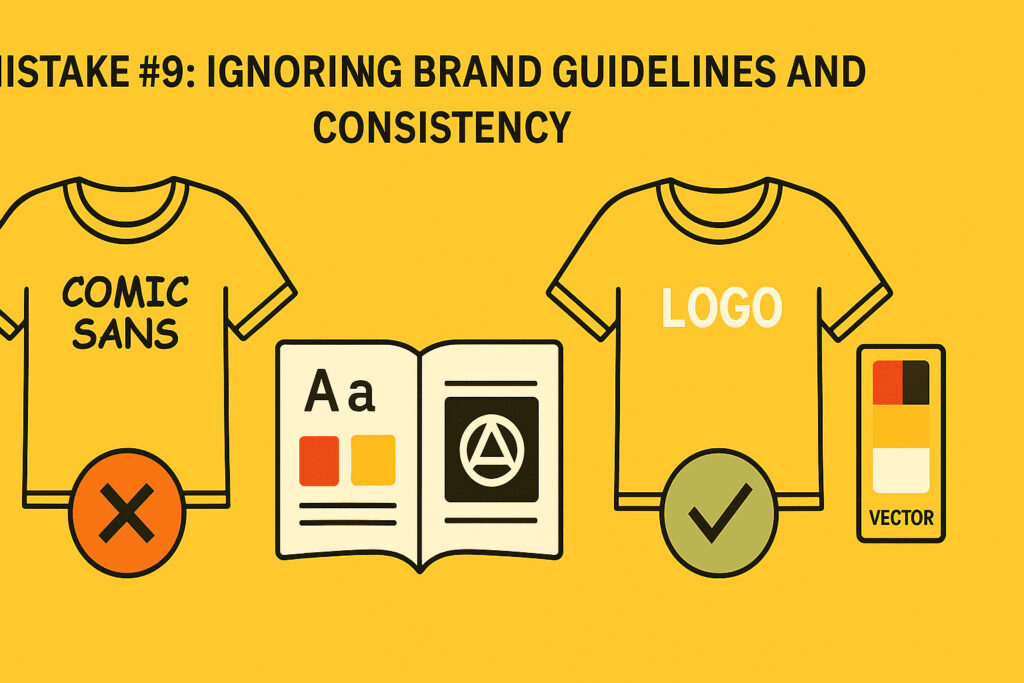
Wrong fonts, off-brand colors, inconsistent logo usage – these details matter more than you think.
We’ve worked with companies who spent months perfecting their website design, then put their logo in Comic Sans on promotional t-shirts. Mixed messages confuse people.
Brand consistency checklist:
- Correct logo files (vector format, not pixelated images)
- Accurate brand colors (PMS numbers, not “close enough”)
- Approved fonts and messaging
- Consistent style across all items
Getting Brand Assets Right
Work with your marketing team to get proper logo files. You need vector formats (.ai, .eps) for most printing methods, not just JPEGs from your website.
Know your brand colors in different formats – PMS for printing, RGB for screens, CMYK for full-color printing. “Blue” isn’t specific enough.
Mistake #10: No Plan for Distribution and Storage
You’ve got 1,000 perfect promotional products. Now what?
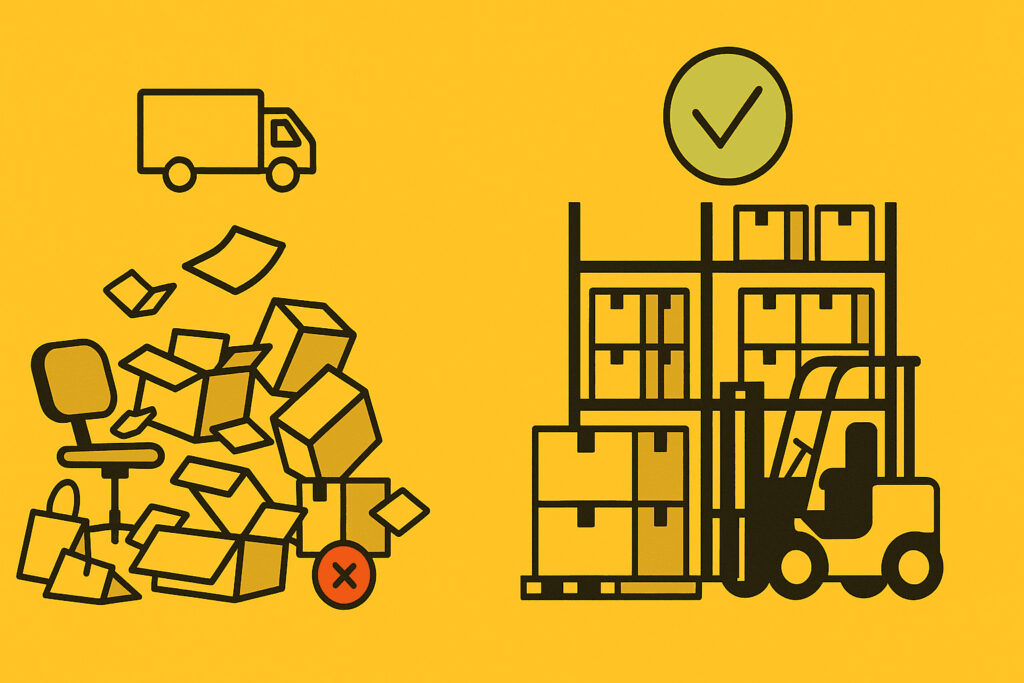
Where d’you store them? How do you get them to events? Who’s responsible for distribution?
We see companies order great products then scramble at the last minute ’cause nobody planned logistics. Heavy items need special shipping. Fragile items need protective packaging.
Distribution planning questions:
- Where will items be stored?
- How will you transport them to events?
- Who handles setup and distribution?
- What happens to leftover items?
Making Distribution Easy
For large orders, consider direct shipping to your event venue. Saves you from moving heavy boxes.
Pack items in manageable quantities – boxes of 25 instead of 250. Makes setup easier and prevents damage.
Plan for 10-15% more items than your expected attendance. Better to have extras than run out.
How to Avoid These Mistakes
The solution isn’t complicated, but it requires planning and discipline:
Start early. Begin planning 8-12 weeks before you need items.
Always order samples. The $30 sample cost prevents $3,000 disasters.
Choose suppliers carefully. Price matters, but so does reliability and quality.
Focus on function. Pretty items that nobody uses waste money.
Plan for logistics. Know how you’ll store, transport, and distribute items.
Most importantly, think of promotional products as brand investments, not just marketing expenses. The right items build relationships and generate ongoing value. The wrong items damage your reputation and waste budgets.
For more insights on building effective promotional product strategies, check out our complete resource library and our guide on proving promotional product ROI.
The companies that get promotional products right create lasting connections with customers and prospects. The ones that make these mistakes? They usually give up on promotional products entirely, missing out on one of the most effective marketing tools available.
Don’t be the company with 500 unusable water bottles. Plan ahead, order samples, work with reliable suppliers, and focus on creating real value for your recipients.
Your brand – and your budget – will thank you.