We’ve been in the promotional products business for a long time. What we’ve learned is that the move toward eco-friendly items is no longer just a trend. It’s now the standard for companies that want their branded merchandise to be effective.
The real work is figuring out what is truly sustainable and what is just “greenwashing.” Our team has tested countless materials, vetted suppliers, and learned—sometimes through trial and error—what makes a promotional product both responsible and impactful.
Why This Matters Now More Than Ever
A few years ago, a client of ours, a tech company, came to us with an issue. Their own team was starting to reject the usual plastic items given out at events. “These just get thrown away,” their head of marketing explained. This probably sounds familiar.
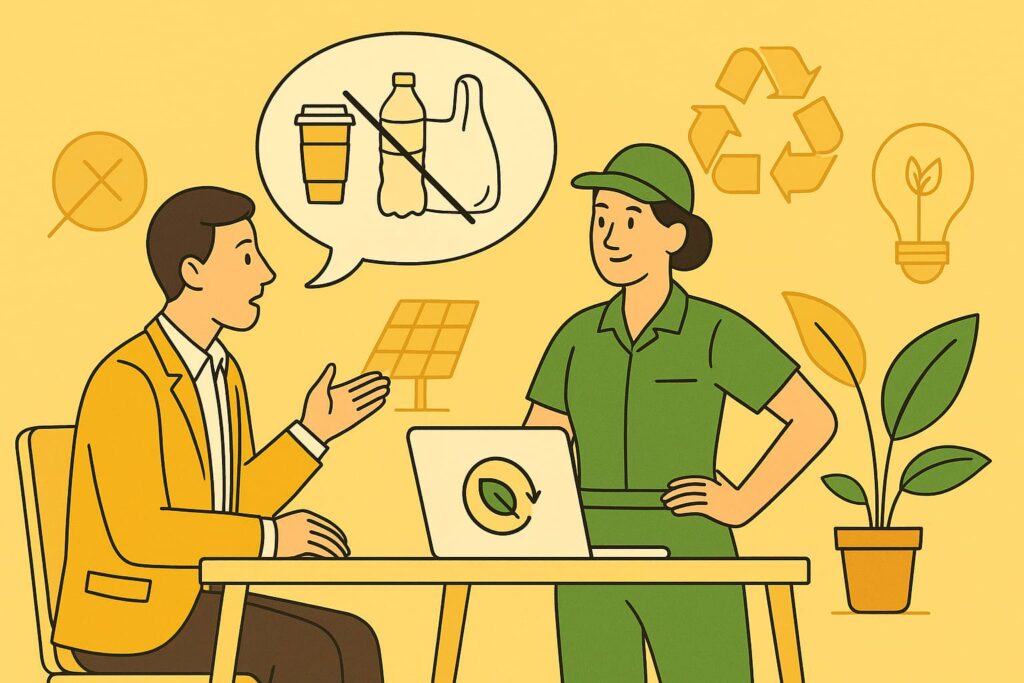
That single conversation changed how we approach our work. We helped them switch to genuinely sustainable products. The result? Their next event produced 40% more qualified leads. It proved something we now see all the time: people keep and use items they feel good about.
What Makes a Promotional Product Genuinely Sustainable
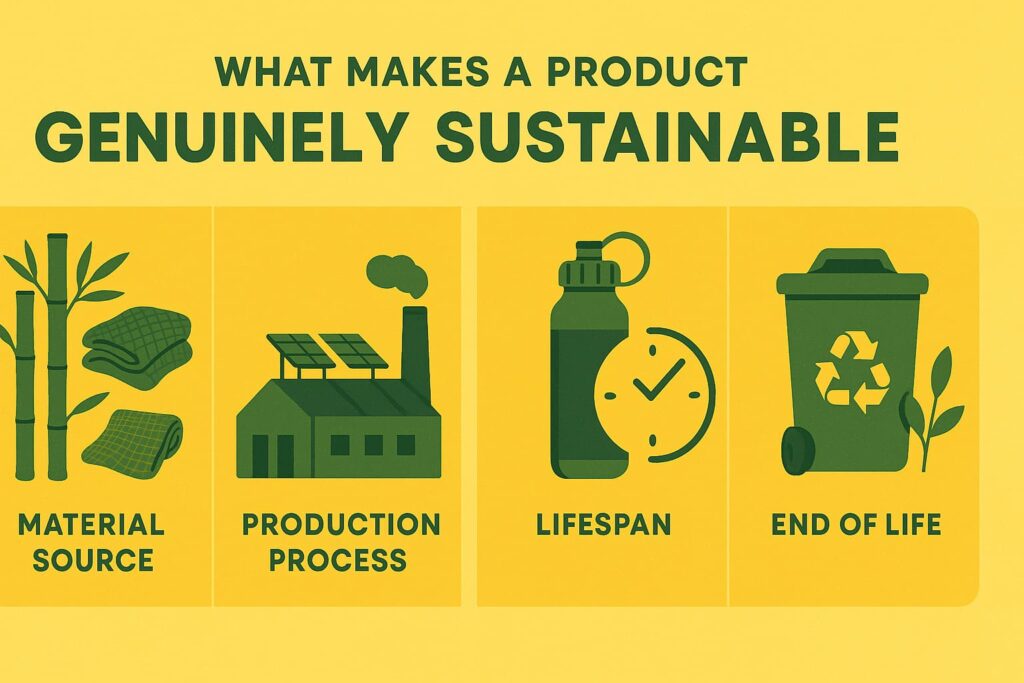
Let’s be direct. A product isn’t sustainable just because it’s green. We assess eco-friendly merchandise on four tangible factors:
Material Source: Where do the materials come from? Bamboo is a fast-growing grass. Recycled cotton gives old materials a new life. Cork can be harvested without harming the tree.
Production Process: How much energy and water are used to make the item? We’ve seen factories that run on renewable energy, and we’ve seen factories that do not. That difference is significant.
Lifespan: A quality reusable bottle that lasts for years is more sustainable than a biodegradable pen that stops working after a week. Durability is a core part of sustainability.
End of Life: What happens to the product when it’s no longer needed? Can it be easily recycled or composted?
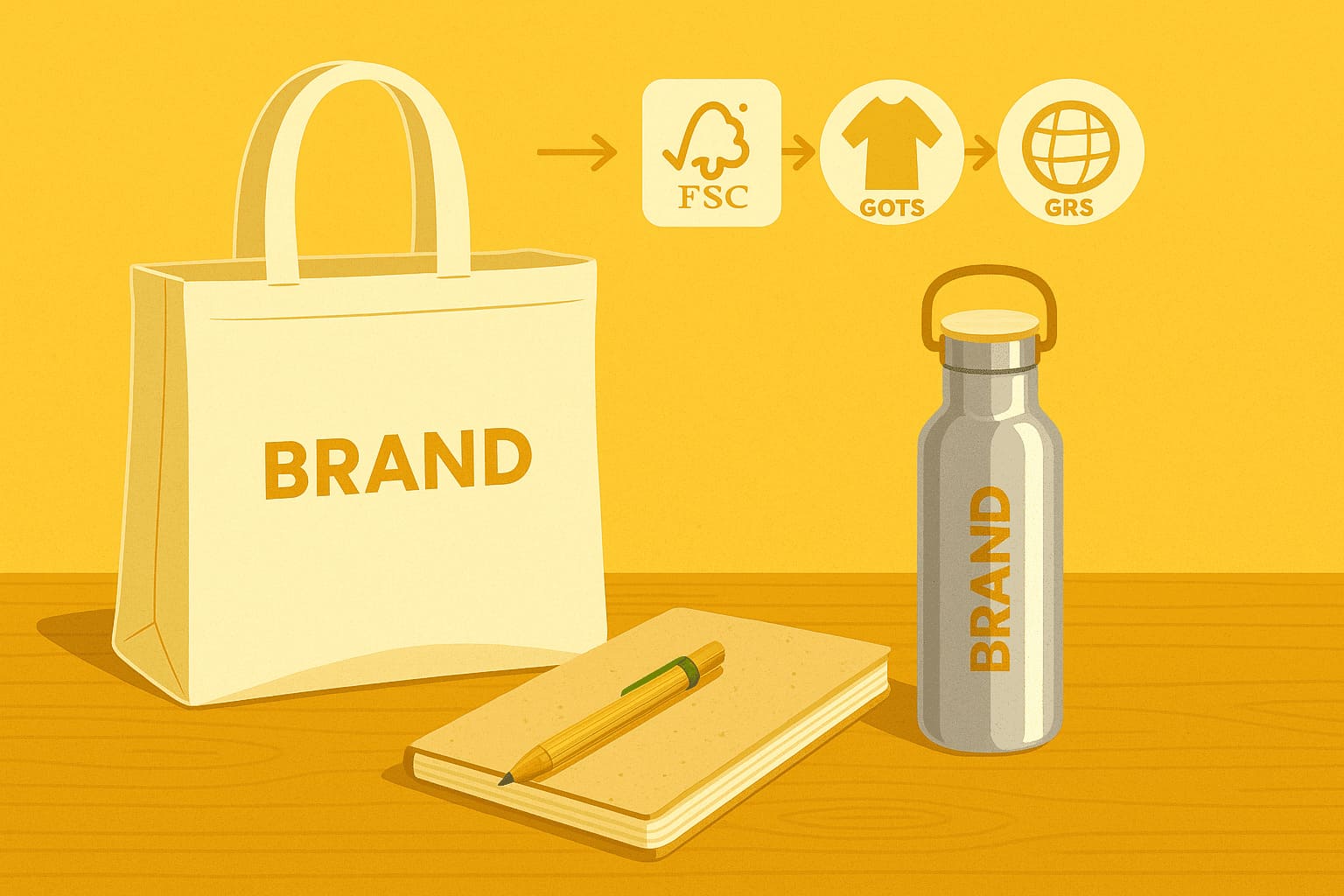
A Quick Tip from Our Team: Always ask for specific certifications. If a supplier can’t show you an FSC certificate for wood or a Global Recycled Standard for fabrics, it’s a red flag.
The Best Sustainable Promotional Products We’ve Found
After fulfilling thousands of orders, we’ve identified products that consistently provide both a positive environmental story and a real marketing impact.
Reusable Drinkware That People Keep
We’ve found that stainless steel tumblers with natural bamboo accents are a clear winner. They have a premium feel, they last for years, and people use them every day. One of our clients tracked this: their branded tumblers appeared in over 70% of recipient social media posts in the first month.
Here’s an expert-level detail: weight is important. Cheap, sustainable drinkware often feels light and flimsy. A quality item has some heft to it. When someone picks it up, their first thought should be “this is a great product,” not just “this is an eco-friendly product.”
Organic Cotton Apparel That Gets Worn
We learned this lesson the hard way. Early on, we ordered a batch of organic cotton shirts that shrunk two sizes in the first wash. That was a costly mistake that damaged a client relationship.
Now, we only partner with suppliers who pre-shrink their organic cotton and use water-based inks for printing. It costs more, but the return is obvious. When your employees and clients wear your branded apparel because they want to, you’re getting authentic brand exposure. You can see our full process in our guide to vetting suppliers.
Cork and Bamboo Tech Accessories
Items like phone stands, wireless chargers, and USB hubs sit on desks all day, keeping your brand in view. Versions made from cork and bamboo work just as well as plastic ones but say something much different about your company’s values.
Pay attention to the finish. Bamboo products require a specific coating to prevent splintering over time. Always get samples and run your hand along the edges. If you feel any roughness, your recipients will too.
Common Mistakes to Avoid When Ordering
We see the same preventable errors happen over and over.
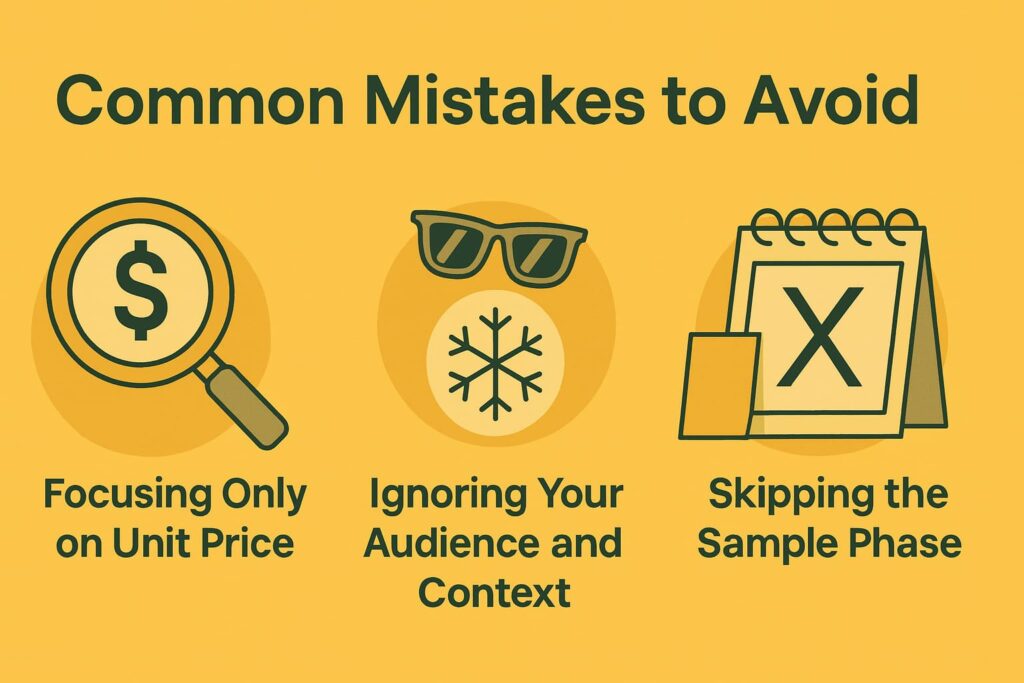
Focusing Only on Unit Price
Sustainable materials often cost more than their conventional counterparts. That’s a fact. But we always advise our clients to think in terms of cost per impression, not cost per unit. A cheap plastic pen that gets used twice and thrown away is an expensive impression. A quality bamboo pen that’s used daily for a year provides brand exposure for pennies.
Ignoring Your Audience and Context
We once had a client who wanted to order bamboo sunglasses for a winter trade show in a northern city. The product was great, but the context was wrong. Your eco-friendly items must be useful and relevant to the people receiving them.
Skipping the Sample Phase
This is really important: always order a physical sample first. Website photos can be misleading. That “beautiful bamboo notebook” might have sharp edges. The “soft organic cotton shirt” could feel like a towel. We have learned to test everything ourselves before committing to a bulk order for a client.
Making the Business Case for Sustainable Products
Let’s look at the numbers, because this has to make sense for your budget.
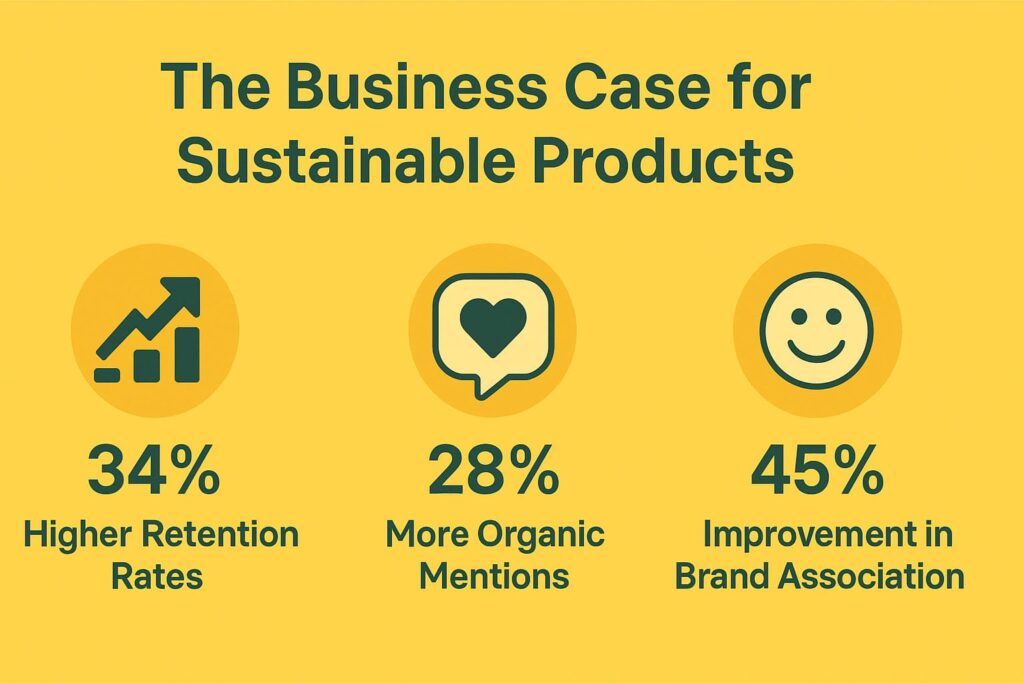
Last year, we tracked the results for 50 client campaigns. The companies that chose sustainable promotional products saw:
- 34% higher retention rates (people kept the items)
- 28% more organic social media mentions
- 45% improvement in positive brand association
One manufacturing client changed their entire event strategy to sustainable items. The quality of their leads improved so much that they were able to lower their marketing spend the next year while still growing. You can read more about current trends that are shaping these outcomes.
How to Navigate Certifications and Standards
The world of certifications can be confusing. Here are the ones that carry real weight:
- FSC (Forest Stewardship Council): For wood and paper products. It ensures the materials come from responsibly managed forests.
- GOTS (Global Organic Textile Standard): For textiles. This is a tough standard that covers both environmental and social practices.
- GRS (Global Recycled Standard): This verifies that products claiming to be recycled actually are.
- B Corp Certification: This applies to the whole supplier, not just one product. It signals a deep commitment to ethical and sustainable practices.
We once vetted a supplier who claimed their products were “100% eco” but had no certifications. When we pressed them, they admitted the only “eco” part was the green ink on their packaging. Always ask for proof.
Putting Sustainable Products Into Action
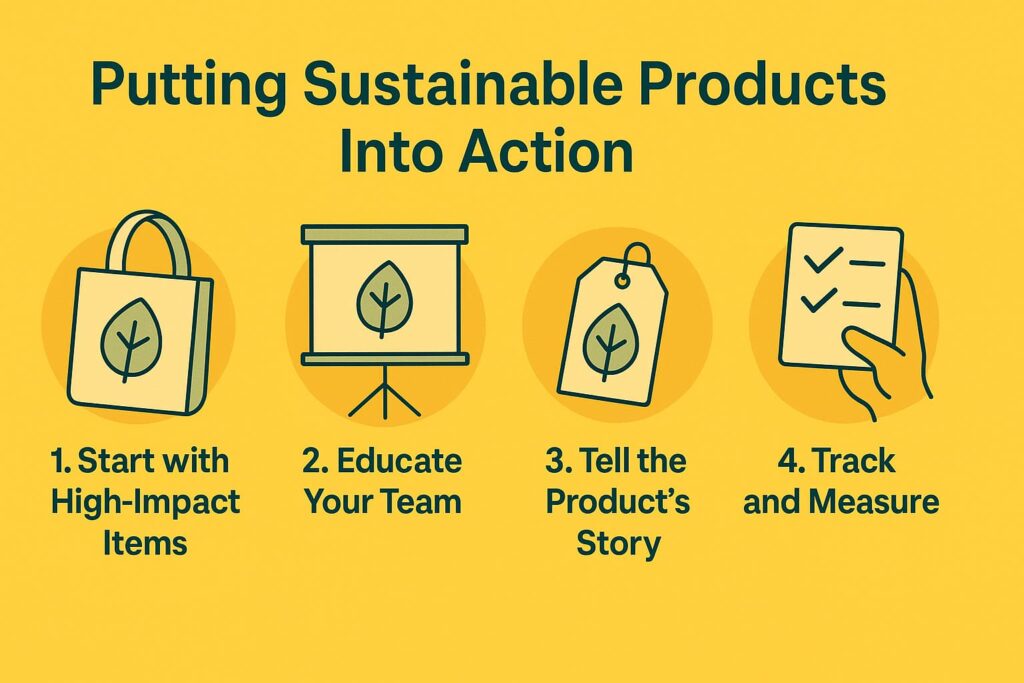
Here is our proven, practical approach:
- Start with High-Impact Items: You don’t have to change everything at once. Begin with drinkware or bags, items that get used frequently.
- Educate Your Team: Make sure your internal teams know why you’re making the switch so they can speak about it confidently.
- Tell the Product’s Story: A small note included with the product—”This notebook is made from recycled stone”—can start a great conversation.
- Track and Measure: Set up simple ways to measure success. Did the items generate social media posts? Did they lead to new sales conversations? This data will justify future investments.
The move to sustainable promotional items isn’t just about environmental responsibility. It’s about connecting with your audience in a more meaningful way. We’ve seen it time and again: a thoughtful product can transform how people see your brand.
You can explore some of our sustainable options or check our FAQs for more information.